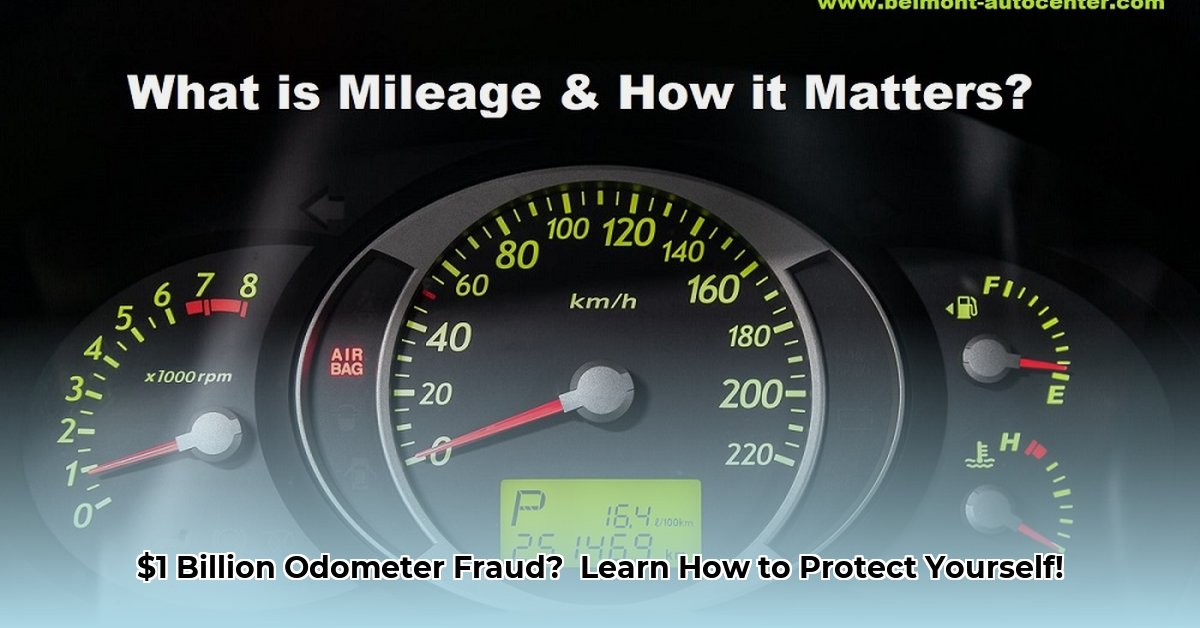
Thinking about buying a used car? It's exciting, but be aware of odometer fraud—a billion-dollar-a-year problem where sellers roll back a car's mileage to inflate its value. This guide empowers you to avoid becoming a victim. We'll walk you through simple steps to verify a car's mileage and spot potential tampering.
How to Check Car Mileage: A Multi-Step Approach
Odometer fraud is a significant issue, costing used car buyers a staggering $1 billion annually. Don't let yourself become another statistic. This guide provides actionable steps to verify mileage and avoid being swindled.
1. Decoding the Car's Identity: The VIN Check
Every car has a unique 17-character Vehicle Identification Number (VIN) – its social security number. Online services (like the National Motor Vehicle Title Information System, NMVTIS) access databases linked to VINs, revealing recorded mileage history. Input the VIN to check; discrepancies between the reported mileage and the odometer reading are major red flags. Is it really that simple to protect yourself from car fraud? Yes, this initial check can quickly weed out problematic vehicles.
2. Delving Deeper: Vehicle History Reports
Vehicle history reports (from Carfax or AutoCheck) offer a broader picture, compiling information from various sources like DMVs and repair shops. They highlight potential issues (accidents, title problems), providing context for the mileage. While not foolproof, they offer valuable clues. How reliable are these reports? While not 100% accurate, they significantly increase your chances of uncovering hidden problems.
| Pros | Cons |
|---|---|
| Comprehensive information | Subscription fees; information may be incomplete |
| Data from multiple sources | Doesn't guarantee perfect accuracy |
| Helps reveal hidden problems | May not have all relevant service history |
| Useful in verifying odometer information |
3. The Mechanic's Secret: The ECU Diagnostic Scan
An Electronic Control Unit (ECU) scan, performed by a mechanic, is the most accurate method. The ECU (the car's computer) stores vast amounts of data, including precise mileage. However, accessing this requires specialized tools and expertise. Is this scan worth the cost? Absolutely, if you suspect odometer tampering, the cost is a small price to pay for peace of mind.
4. Trust Your Eyes: The Visual Inspection
A visual inspection can reveal inconsistencies between mileage and wear and tear. Look for:
- Steering Wheel: Excessive wear suggests higher mileage.
- Interior: Faded upholstery or worn carpets may not match the claimed mileage.
- Pedals: Worn brake and gas pedals indicate significant use.
- Tires: Tire wear should align with reported mileage; discrepancies are a red flag.
How effective is a visual inspection alone? While not definitive, a thorough visual inspection can offer immediate clues that warrant further investigation.
5. Reconciling the Evidence: Interpreting Your Findings
Compare information from the VIN check, history report, and visual inspection. Do they corroborate the odometer reading? Significant discrepancies are serious red flags and require further investigation, possibly involving a professional mechanic. What should you do if discrepancies appear? Proceed cautiously; if multiple sources point towards a mileage discrepancy, consider walking away.
6. Knowing Your Legal Rights: Recourse for Fraud
Odometer fraud is illegal. Federal and state laws protect buyers. If you discover fraud, consult a legal professional to understand your options for recourse and compensation. What are the chances of successful legal action? The chances of legal recourse are high if you can demonstrate odometer fraud with sufficient evidence.
Conclusion: Due Diligence Pays Off
Checking mileage is crucial, but part of a larger process of buying used cars wisely. Always get a pre-purchase inspection and don't rush into a decision. Diligence protects your investment. Remember, a proactive approach ensures a more confident and successful car-buying experience.